

Introduction
This comprehensive guide is designed for WordPress site owners and administrators who want to maintain a healthy website by finding and fixing broken links, and by regularly reviewing all the links to help maintain site integrity. Whether you manage a personal blog or a large business site, addressing broken links is crucial for both SEO and user experience. In this guide, you'll learn what broken links are, why they matter, and how to efficiently detect and repair them using both plugins and manual methods.
After reading this page, you'll know exactly how to find and fix broken links in WordPress. We'll cover step-by-step instructions for using popular plugins, as well as manual and alternative methods, so you can choose the best approach for your site.
Why Broken Links are Bad for your WordPress
A broken link is a hyperlink that leads to a page that no longer exists or returns a 404 error. Broken links can frustrate visitors, harm your site's credibility, and negatively impact the site's SEO and search rankings. Search engines like Google may penalize sites with too many broken links, making it harder for your content to rank well. Additionally, users encountering dead links are more likely to leave your site, reducing engagement and conversions. These link issues can also affect how Google sees your site.
Now that you understand the impact of broken links, let's look at the best tools to find and fix them in WordPress.
Best Tools to Find and Fix Broken Links in WordPress
WordPress plugins simplify finding and fixing broken links on your WordPress site. Plugins such as Broken Link Checker scan your WordPress site for broken links and allow you to fix them directly from your dashboard. There are other methods too, including browser-based and external options. However, plugins are not the only option—there are also online tools and desktop applications that can scan your site without requiring plugin installation.
Alternative Tools for Finding Broken Links
If you prefer not to use plugins, consider these alternatives:
DrLinkCheck.com: An online tool that scans your website for broken links without requiring installation.
Xenu Link Sleuth: A classic desktop application that crawls your website to find broken links.
Screaming Frog: A powerful SEO tool that generates detailed reports on broken links and status codes, though its free version limits how many URLs it crawls.
Dead Link Checker: An online service that scans websites for dead or broken links.
Ahrefs: Provides comprehensive reports on broken outgoing and internal links.
A browser extension can also be handy for spot-checking pages as you browse your site, especially on sites first created using one‑click WordPress installation tools in hosting panels.
Google Search Console – How To Fix Broken Links in WordPress
How to Setup Google Console on WordPress
Install the Site Kit plugin from the WordPress dashboard, then click Activate to begin setup. Site Kit makes verification a quick process.


During the connection flow, verify your site name and domain before approving access to Google services. If automatic setup fails, Google provides other methods to verify ownership.


How to Find Broken Links with Search Console

In Google Search Console, this report listing shows specific 404 errors for broken URLs and can also help surface broken image links. Reviewing it regularly helps you catch link issues before they affect users and search visibility.
Ahrefs

Ahrefs identifies broken outgoing and internal links on sites. It can find internal links and external links that point to pages that no longer exist. This helps you spot bad links across larger sites. It’s also a great tool for spotting broken internal and external links across larger sites, especially when used alongside Google Search Console verification and setup. For example, a deleted page may still receive internal links from older posts or menus.

WP Broken Link Checker

WP Broken Link Checker is a user-friendly, powerful plugin in the WordPress world for monitoring WordPress links and spotting issues early. With over 600,000 active installations, it can help fix links directly inside WordPress, making it a great example of how WordPress plugins extend your site’s functionality.
How to Use WP Broken Link Checker to Find Broken Links in WordPress
Broken Link Checker scans posts, pages, and comments for internal errors in one broken link report.
You can review that broken link report in the WordPress dashboard and make quick fixes directly there, then schedule link checks monthly for active sites as part of your maintenance routine.
On larger sites, these WordPress plugins can strain performance, so it’s best to deactivate the scanner when not in use. Periodically running an external audit such as a free WordPress checkup for performance, security, and SEO can complement these on-site scans.


Pros and Cons of Using Plugins Like Broken Link Checker
Pros:
Easiest way to find and fix broken links directly from your WordPress dashboard.
Scans posts, pages, and comments for issues.
Allows quick fixes without leaving your site.
Depending on your setup, other plugins may offer more advanced redirect or monitoring features.
Cons:
Link-checking plugins can cause performance strain on large websites.
Heavy scanning plugins should be deactivated when not in use to improve site performance.
May not scale well for very large or high-traffic sites.
Best Practices:
Use plugins like Broken Link Checker for quick fixes and regular scans.
Regular scans also help with preventing broken links before they affect users or search engines.
For large sites, consider using external tools or running scans during low-traffic periods.
Always deactivate heavy scanning plugins when not actively checking for broken links.
Now that you know the best tools and plugins for finding broken links, let's move on to how you can fix them in WordPress.
How to Fix Broken Links on WordPress
There are several ways to fix broken links in WordPress, including editing URLs, setting up redirects for removed content when pages are no longer needed, and using plugins for quick fixes. Strengthening your overall site structure with internal linking plugins for WordPress can also reduce orphaned content and improve SEO.
How to Fix Broken Links in WordPress with AIOSEO
AIOSEO is one of several plugins for managing redirects, and while there are other plugins with more advanced features, it gives you a simple, user-friendly way to handle broken links. If you don’t want to handle everything yourself, you can also rely on managed WordPress website support and maintenance services to keep links and redirects in good shape.
Step 1: Install and Activate AIOSEO
Search for the AIOSEO plugin in your WordPress dashboard.
Click "Install" and then "Activate" the plugin.
After activation, make a habit of updating plugins regularly to maintain compatibility and proper site functioning so redirect and link tools keep working properly, or consider ongoing WordPress support and maintenance services for businesses if you prefer expert help.


Step 2: Access Redirects Area
After activation, go to the "Redirects" area in the AIOSEO menu.

Step 3: Add and Save Redirects
Click "Add New Redirect."
Enter the source URL (the broken link or old URL) and the target URL (the correct or new page).
Choose "301 Redirect" for permanently moved pages so the old URL points to the new page.
Click "Save Changes" to apply the redirect.
Use absolute URLs when you want a fixed destination during site changes, while relative paths can help avoid broken links if the domain name changes. Pairing this with accurate website visitor tracking in WordPress helps you see which fixed links matter most for your audience.


After activation, go to the redirects area, where you can edit the source URL and target URL to send visitors to helpful content instead of a dead page. This is especially useful when a page was deleted and needs a permanent redirect, while Broken Link Checker allows quick fixes directly from its dashboard, and a solid WordPress malware removal and hardening process ensures hacked or removed pages don’t leave behind security-related broken links.
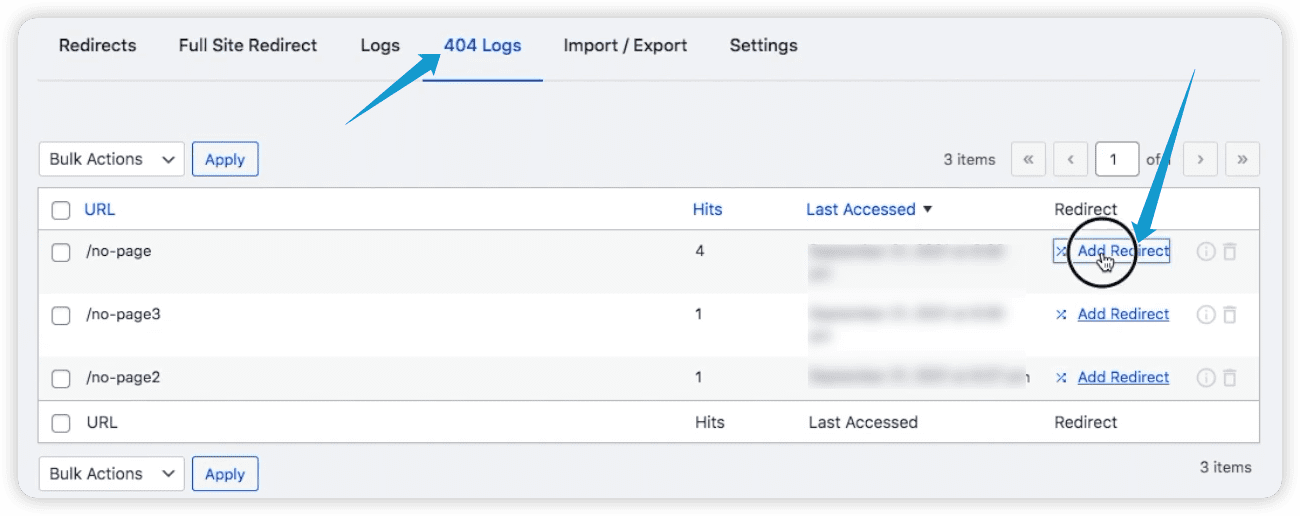

Additional Fixes
Use 301 redirects for permanently moved pages to ensure visitors and search engines are sent to the correct location.
Fix typos in URLs to resolve broken links and prevent future errors.
Redirecting visitors to active pages instead of 404 error pages improves user experience.
Now that you know how to fix broken links, let's wrap up with some key takeaways and frequently asked questions.
Conclusion
Fixing broken links in WordPress is essential for maintaining a healthy website, improving SEO, and providing a positive user experience. By using the right tools and following best practices, you can easily identify and repair broken links, keeping your site in top shape.
FAQs on How To Fix Broken Links in WordPress
How do you repair links in WordPress?
Use a plugin like Broken Link Checker to scan for broken links and fix them directly from your dashboard.
Manually edit posts or pages to correct or update broken URLs.
Set up 301 redirects for pages that have been permanently moved.
Why are my links not working in WordPress?
The linked page may have been deleted or moved.
There could be a typo in the URL.
The destination website may be down or no longer exists.
In some cases, broader admin issues such as a blank WordPress dashboard problem can make it seem like links are broken when you simply cannot access the backend to fix them.
Your browser or network may show errors such as ERR_CONNECTION_REFUSED connection issues when the server or local settings block access.
Plugin or theme conflicts may affect link functionality.
How do I fix a broken image link in WordPress?
Check if the image file still exists in your media library when troubleshooting broken image links, and note that understanding WordPress IDs for media and pages can help when working with certain gallery or slider plugins.
Update the image URL if it has changed.
Re-upload the image if it was accidentally deleted, following best practices from guides on fixing WordPress image upload problems.
Correct any typos in the image file path or URL.
Some plugins can also detect broken image links automatically, but for deeper troubleshooting you may want a dedicated guide on finding and fixing broken images in WordPress.