

Are your WordPress revisions not showing when you edit a post or page on your website? If you’re a WordPress user or site administrator, missing revisions can be frustrating and risky—especially if you need to restore previous content or undo mistakes. This article is designed for WordPress users and admins who want to understand why WordPress revisions might not appear, what causes the issue, and how to fix it. We’ll cover the most common reasons revisions go missing, step-by-step solutions, and tips for managing revisions effectively. Fixing missing revisions is crucial for maintaining content integrity, preventing data loss, and ensuring you can always roll back unwanted changes.
WordPress Revisions Not Showing: Table of Contents

What are WordPress Post Revisions?
WordPress saves snapshots of content as revisions. Revisions are stored in the wp_posts table of the database. By default, WordPress saves an unlimited number of revisions, and WordPress saves revisions in the wp_posts table. WordPress revision history acts as a safety net for a post or page, because WordPress saves snapshots of post content as revisions. It also creates autosaves automatically to help prevent data loss from browser or system issues, while manual changes are stored separately in the database for version control, similar to how proper media handling prevents WordPress image upload issues. From the revisions menu, you can compare previous versions and restore them with one click.

Now that you understand what revisions are, let’s look at why they might not appear.
Causes of WordPress Revisions not Showing Error
There are several reasons why you might encounter the ‘WordPress revisions not showing’ issue. Understanding these causes will help you troubleshoot and resolve the problem effectively, just as you would when fixing related errors like a blank WordPress admin panel or WordPress Customizer not working.
Revisions Feature Disabled
The revisions feature may be disabled to save database space. Some site owners or hosts turn off revisions to reduce database size and improve performance.
Revisions Hidden in Editor
Revisions might be hidden in the WordPress editor view. Sometimes, the revisions panel is simply not visible due to editor settings or screen options.
Caching Plugins Interference
Caching plugins can interfere with WordPress revisions. Certain caching or optimization plugins may prevent revisions from displaying properly.
Server/Host Settings
Server settings can disable WordPress revisions. Some server configurations or PHP settings may block the revisions feature.
Managed WordPress hosting companies often disable post revisions by default. For example, WP Engine disables post revisions by default to save resources.
Some hosts limit revisions to save server resources. Hosting providers may set a maximum number of revisions or disable them entirely.
Configuration limits can cause missing WordPress revisions. Limits set in wp-config.php or by the host can restrict or hide revisions.
Other Causes
Revisions may not show if the post hasn’t been saved. If you haven’t saved the post at least once, no revisions will exist yet.
Now that you know the main causes, let’s move on to how you can fix the issue.
How to Fix the Revision Issue in WordPress
If you’re facing the ‘WordPress revisions not showing’ problem, try these solutions in order; it also helps to understand the basics of the WordPress Admin Panel so you can navigate the relevant settings quickly.
Default WordPress Feature
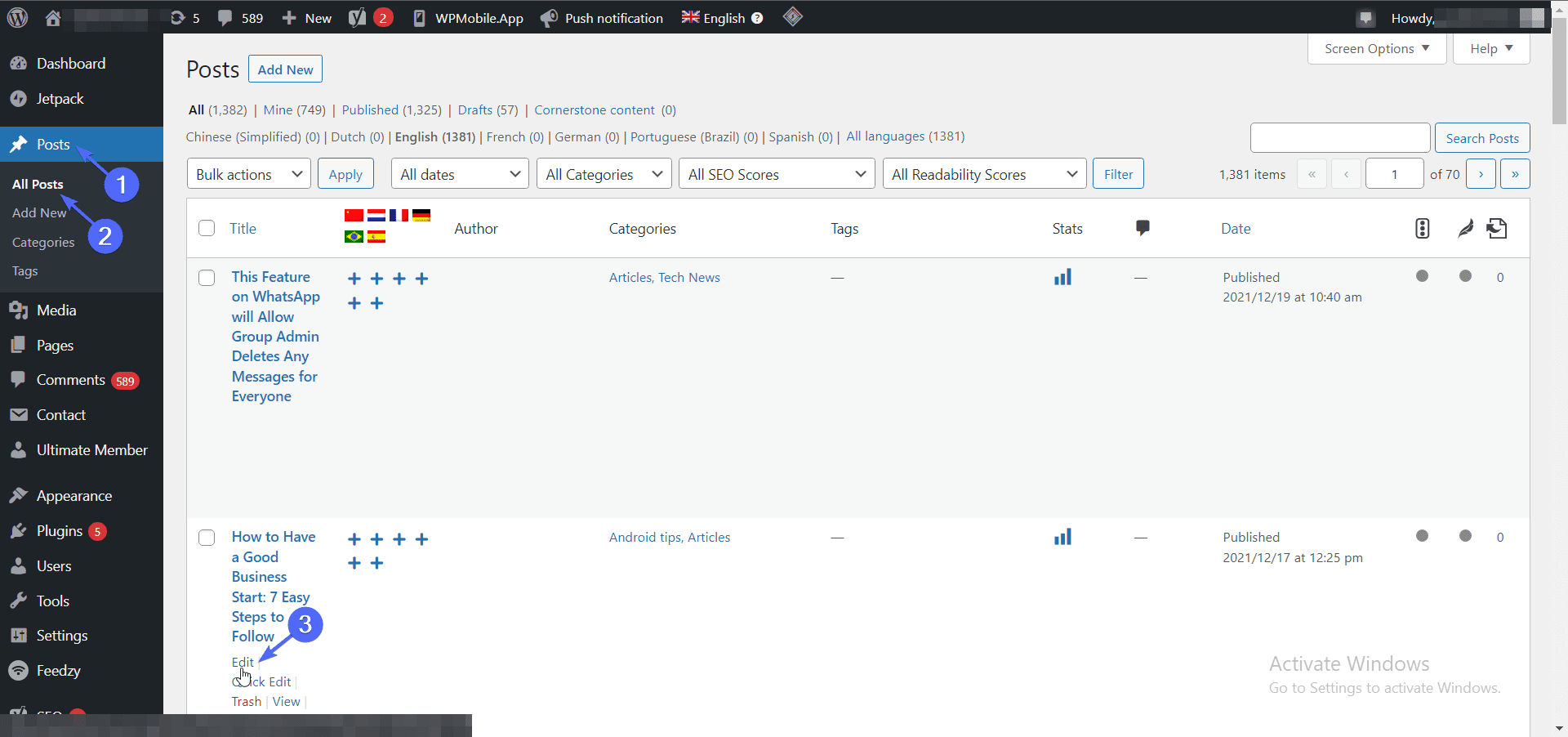
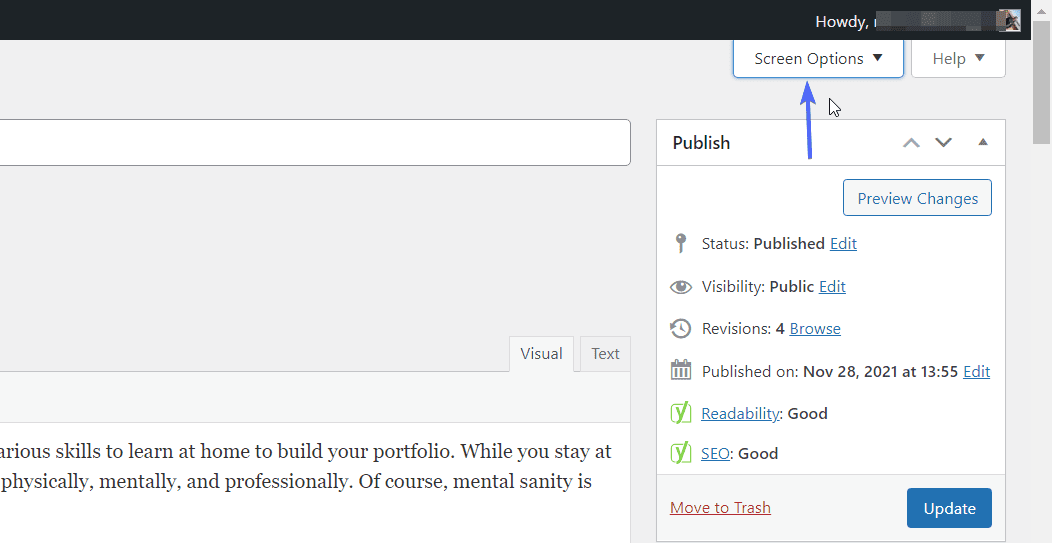
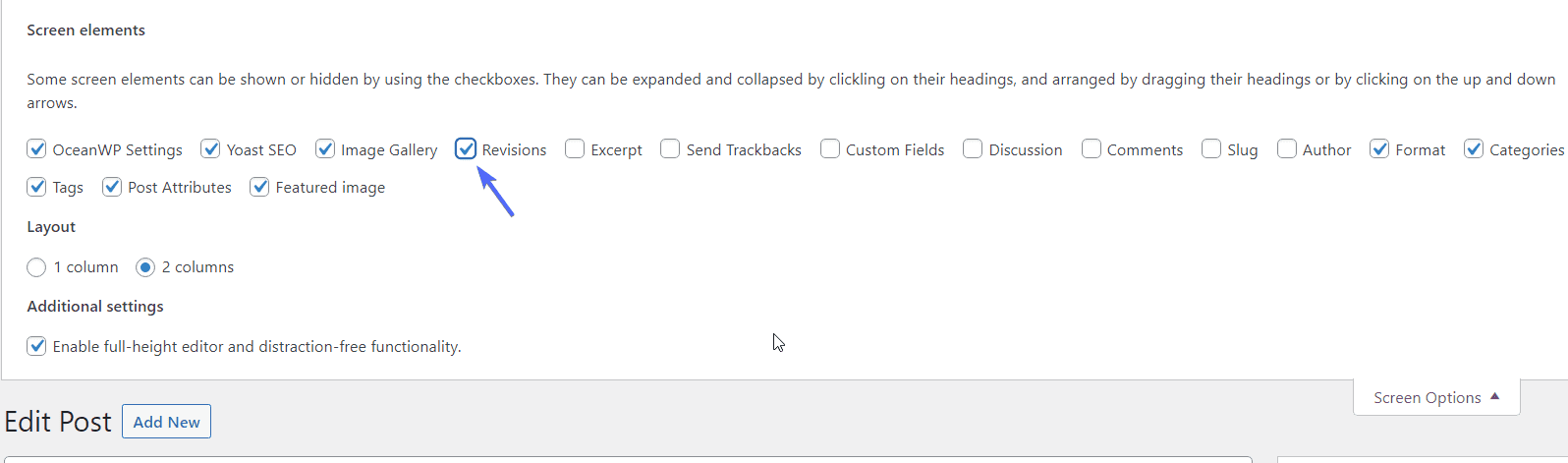
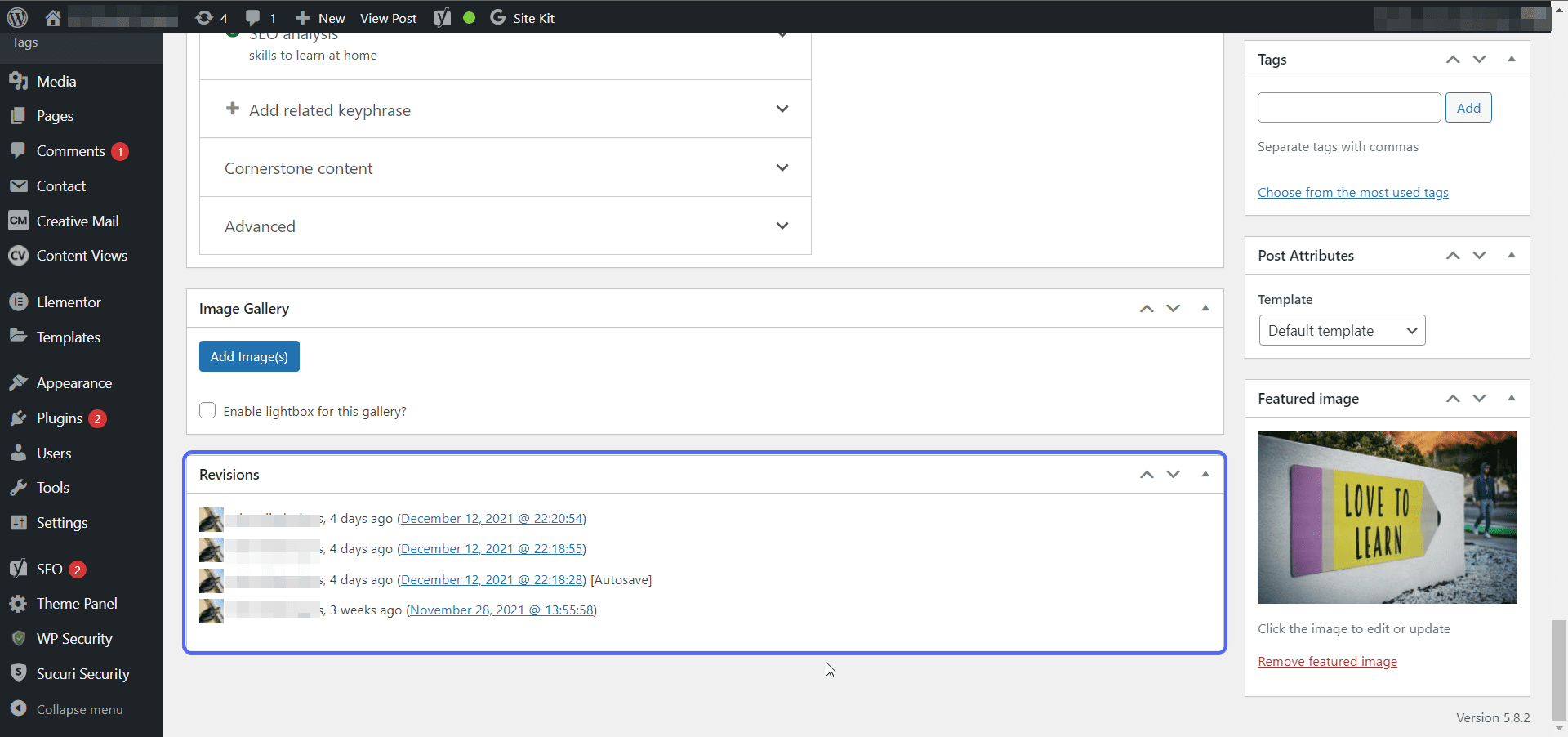
Check Editor Settings: In the block editor, the revisions panel or revisions option can be hidden even when the revisions system is active. WordPress normally uses the revisions feature by default, so if you do not see available revisions there, first learn how to use the WordPress block editor and then check Screen Options and editor visibility settings before you try to enable revisions.

Fix WordPress Revisions Not Showing Using wp-config File
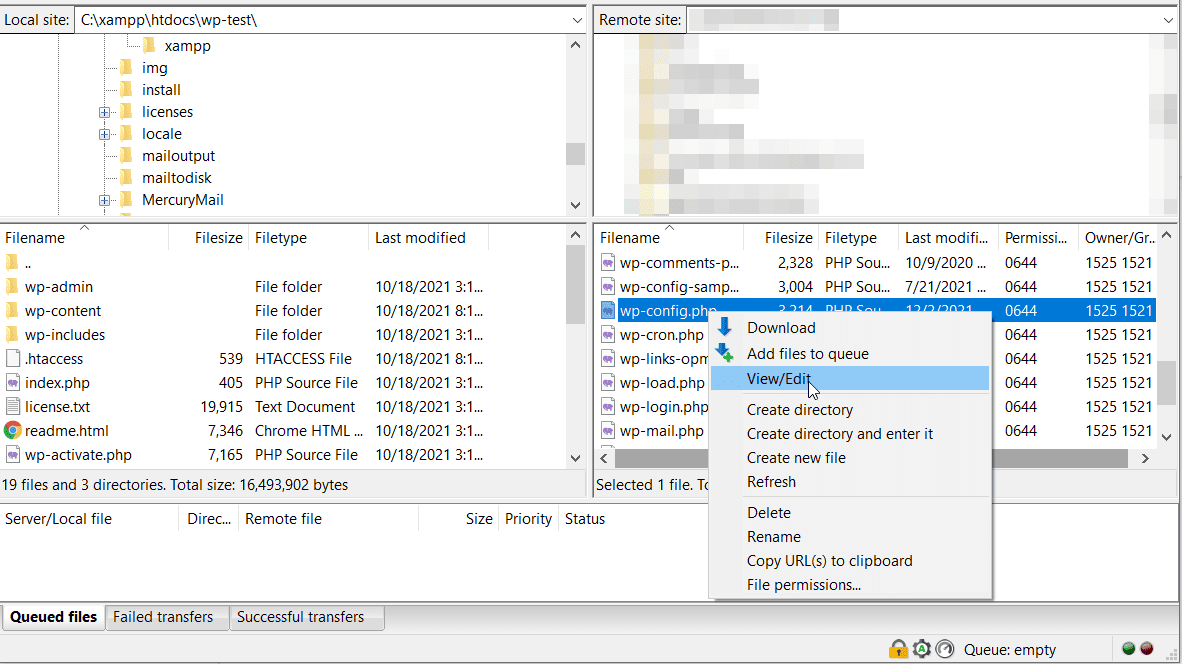
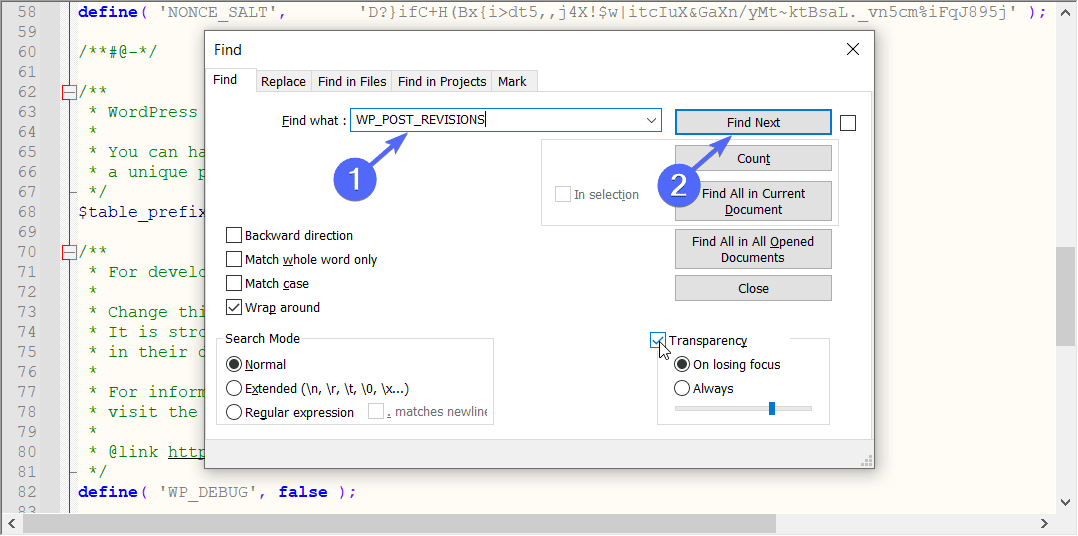
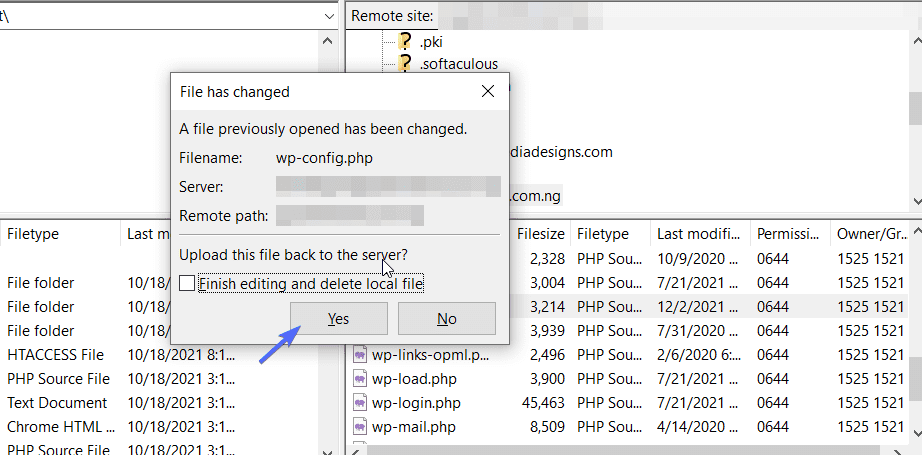
Edit wp-config.php:
Revisions in WordPress are stored in the WordPress database, specifically the wp_posts table. By default, WordPress stores unlimited revisions, so WordPress saves revisions in the wp_posts table and WordPress stores them until you limit WordPress revisions.
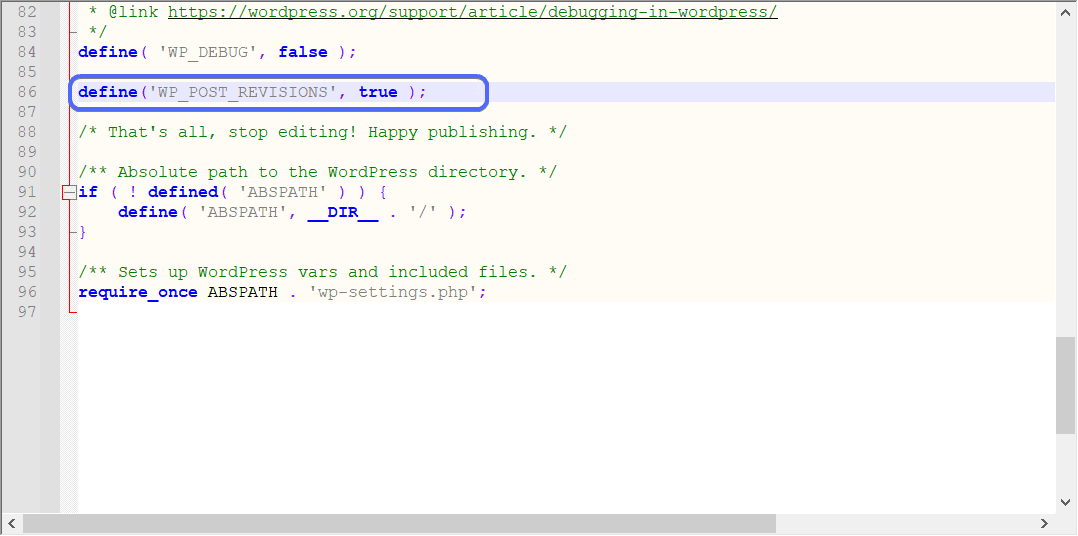
To turn revisions back on, edit wp-config.php and set define('WP_POST_REVISIONS', true);, which can enable WordPress revisions if no new revisions are being saved.
To limit revisions, add the single line define('WP_POST_REVISIONS', 5); in the wp-config.php file with a text editor. Setting the number of revisions helps save database space, reduce old revisions and other revisions stored in the database, and optimize database performance.
If you want to disable revisions instead, you can change that value, but most sites should limit revisions rather than remove them completely.
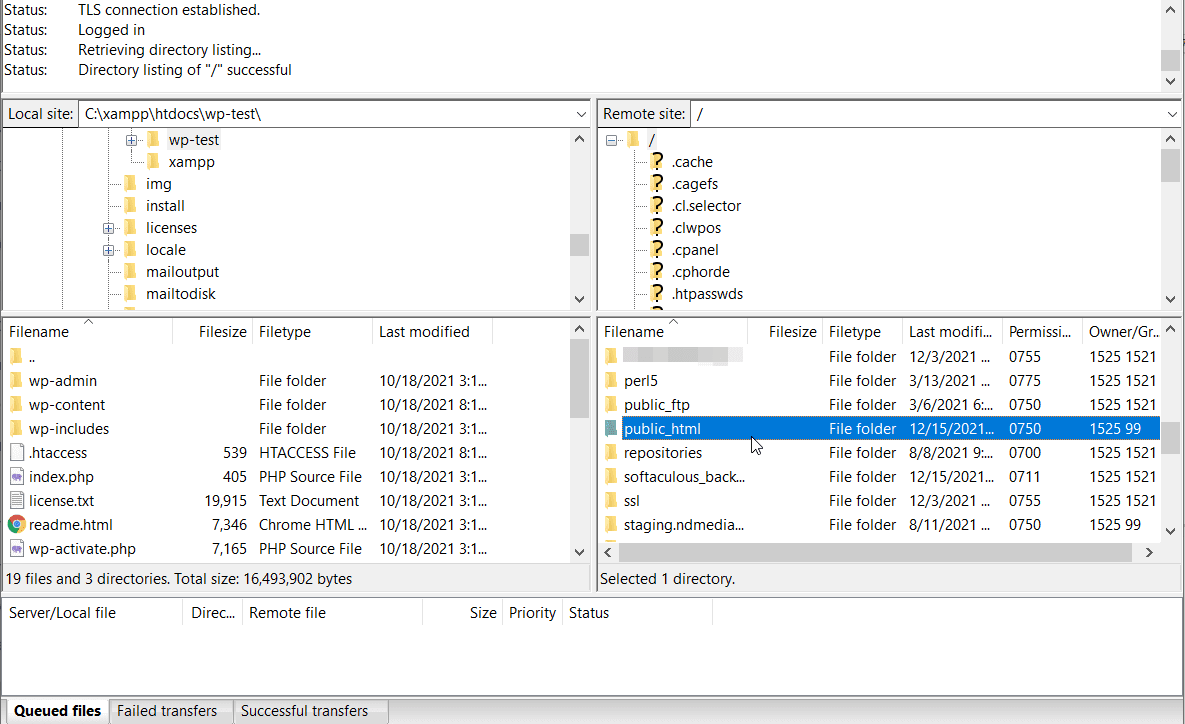
Use an FTP client to access the file, place the following line before the “That’s all, stop editing!” line, and be careful since a mistake there can affect the entire site; you can also disable a WordPress theme using FTP when troubleshooting conflicts.
Contact Your WordPress Hosting Provider
Contact Your Host: If you still don’t see revisions, contact your WordPress hosting provider. Some managed hosts (like WP Engine) disable or limit revisions by default. Ask your host if they have set any restrictions or can enable revisions for you, or consider moving to fully managed WordPress hosting that gives you more control over features like revisions.
With these steps, you should be able to restore the revisions feature and see your post history again.
Cons of WordPress Revision
Potential Downsides of Revisions
Database Bloat: Storing unlimited revisions can increase your database size, potentially slowing down your site, so it’s wise to run a free WordPress checkup to spot performance issues.
Resource Usage: More revisions mean more server resources are used, which can be a concern on shared or limited hosting plans.
Management Overhead: Too many revisions can make it harder to find the version you want to restore, and unused tools or plugins that you can’t easily delete add to the clutter.
Understanding these cons can help you decide how to manage and limit revisions on your site.
How to Use WordPress Revisions to Undo Changes
Restoring and Comparing Revisions
For any post or page, open the revision history to review available revisions, compare two revisions, and see earlier changes before deciding what to restore; you can then edit the text in WordPress to refine the restored content.


This comparison view helps you identify exactly what changed as you edit the content.

Clicking “Restore This Revision” will restore an older version with one click.
Now you know how to use revisions to safeguard your content and undo unwanted changes.
Conclusion
WordPress revisions are an essential feature that helps you track changes, undo mistakes, and collaborate effectively on your WordPress site. If your WordPress revisions are not showing, it’s usually due to disabled settings, theme or plugin conflicts, caching issues, or hosting restrictions. By checking editor visibility, editing your wp-config.php file to enable or limit revisions, and consulting your web host if necessary, you can restore this valuable functionality.
Remember to manage your revisions wisely by limiting their number or periodically deleting old revisions to optimize your WordPress website’s performance and database health. Proper maintenance ensures your WordPress site runs smoothly while keeping a reliable history of your content changes. If you encounter persistent issues, professional support from a WordPress website management service with 24/7 support like FixRunner can help you troubleshoot and resolve revision-related problems quickly and efficiently, including security, backups, and critical tasks such as changing your WordPress admin password safely.
Maintaining control over your WordPress revisions not only safeguards your content but also contributes to a better user experience and more efficient website management.